Creating a safe and accessible home environment is essential for families of all ages. Whether accommodating older adults, individuals with mobility challenges, or simply aiming to prevent accidents, there are several upgrades that can significantly improve both safety and convenience. From mobility aids to thoughtful design adjustments, these enhancements can make daily living easier and more secure.
Standing Stair Lift: A Convenient Solution for Multi-Level Homes
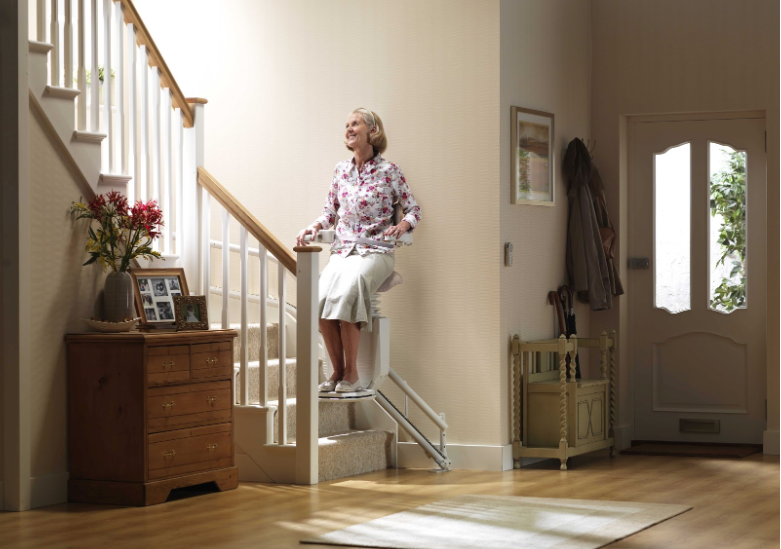
A standing stair lift is an essential upgrade for homes with multiple floors, providing a safe and reliable means of moving between levels. Unlike traditional chair lifts, a standing stair lift allows users to remain upright while ascending or descending, which can be particularly beneficial for individuals who find it difficult to sit or stand from a seated position. Installing a standing stair lift can drastically reduce the risk of falls on stairs, ensuring that mobility within the home remains uninterrupted and safe.
Shower Grab Bars: Enhancing Bathroom Safety
Shower grab bars are a simple yet effective way to improve bathroom safety. Wet surfaces and slippery floors make bathrooms a common site for accidents, particularly for seniors or those with limited mobility. Strategically placed shower grab bars provide stability and support, allowing users to enter and exit the shower confidently. Beyond their practical function, these bars can be integrated into bathroom design with modern finishes, combining safety with style.
Non-Slip Flooring: Reducing Accident Risks
One of the most impactful upgrades for any home is the installation of non-slip flooring. High-traffic areas such as kitchens, bathrooms, and entryways can become hazardous if floors are slick or uneven. Non-slip flooring materials, such as textured tiles, vinyl, or treated hardwood, help prevent slips and falls, creating a safer environment for everyone. By prioritizing non-slip surfaces, homeowners can significantly reduce the likelihood of injuries without compromising on aesthetics.
Wider Doorways and Hallways: Improving Accessibility
For individuals using mobility aids such as wheelchairs or walkers, narrow doorways and tight hallways can pose significant obstacles. Renovating a home to include wider doorways and hallways improves accessibility and allows for smoother movement throughout the space. This upgrade not only benefits those with mobility challenges but also creates a more open and comfortable living environment. Accessibility improvements like these ensure that all family members can navigate the home safely and independently.
Smart Home Technology: Modern Safety Enhancements
Integrating smart home technology is another powerful way to enhance safety and convenience. Devices such as automated lighting, motion sensors, and voice-activated systems help prevent accidents by ensuring spaces are well-lit and hazards are minimized. Smart home technology can also provide emergency alerts, reminding residents to lock doors, turn off appliances, or notify caregivers if assistance is needed. These systems offer peace of mind while modernizing the home for daily convenience.
Stair and Handrail Modifications: Supporting Safe Movement
In addition to stair lifts, traditional stair and handrail modifications play a crucial role in home safety. Sturdy handrails on both sides of the staircase provide support for individuals who may struggle with balance. Ensuring that stairs are even, well-lit, and free from clutter reduces the risk of trips and falls. For older adults and people with mobility challenges, these seemingly simple adjustments can make a significant difference in maintaining independence and confidence at home.
Accessible Bathroom Fixtures: Comfort and Safety Combined
Upgrading bathroom fixtures to enhance accessibility is another essential consideration. Features such as walk-in tubs, elevated toilets, and handheld showerheads allow users to maintain hygiene safely and comfortably. These modifications reduce the need for excessive bending or stretching, which can lead to strain or injury. By creating a bathroom that accommodates a range of mobility levels, homeowners ensure that all family members can enjoy safe and comfortable bathing experiences.
Lighting Improvements: Brightening Paths and Preventing Hazards
Proper lighting is often overlooked but is critical for preventing accidents around the home. Installing bright, energy-efficient lighting in hallways, staircases, and entryways ensures that potential hazards are clearly visible. Motion-activated lights are particularly useful for nighttime navigation, reducing the risk of falls when moving around the house after dark. Thoughtful lighting placement enhances both safety and the overall ambiance of the home.
Conclusion
Enhancing safety and mobility in the home is not just about accessibility for older adults or individuals with disabilities—it is about creating a secure and convenient environment for everyone. Upgrades such as a standing stair lift, shower grab bars, non-slip flooring, wider doorways, and smart home technology all contribute to a safer, more comfortable living space. By investing in these thoughtful improvements, homeowners can prevent accidents, maintain independence, and ensure that their homes remain functional and welcoming for years to come.