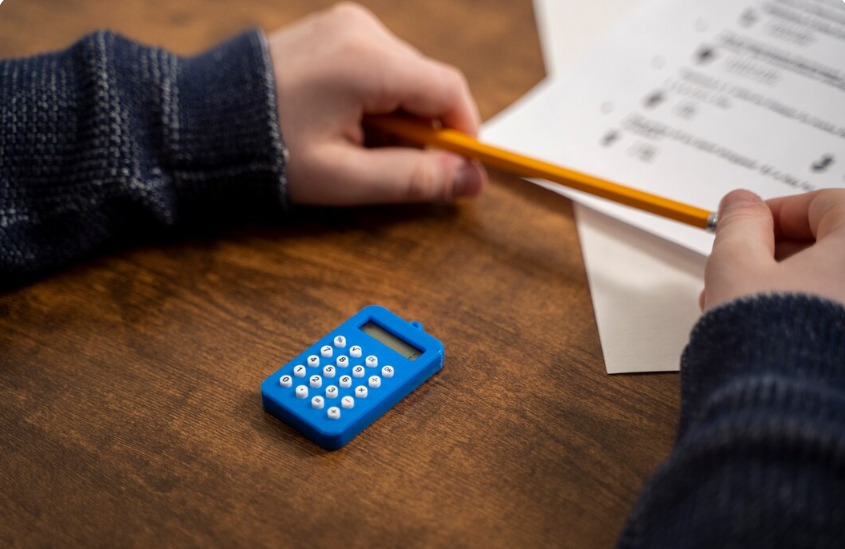
Percentages help people compare values, understand proportions, and measure changes in a clear format. When working with figures for school, business, budgeting, or everyday decisions, a count percentage online tool can make routine calculations faster and more convenient. Digital calculators are especially useful when several values need to be checked without spending unnecessary time on manual arithmetic.
Why Percentage Calculations Matter
A percentage can provide context that a simple numerical difference may not show. It explains how a value relates to a whole or how significantly one figure has changed compared with another.
This makes percentage-based information useful in many situations, including financial planning, sales analysis, academic performance, shopping, and personal budgeting.
Common Uses of Percentage Calculations
People may use percentage calculations when:
- Comparing prices
- Reviewing discounts
- Tracking expenses
- Evaluating test results
- Monitoring sales
- Analyzing business data
- Measuring project progress
- Comparing performance
These applications demonstrate how percentages can turn basic figures into more meaningful information.
Understanding the Reference Value
Before performing a calculation, it is important to understand what each number represents. One figure may be the total amount, while another may represent a portion of that total.
For changes, identifying the original value is particularly important because it provides the basis for understanding the relative movement. Using an incorrect reference can result in a misleading interpretation.
Benefits of Digital Tools
Online calculators can simplify repetitive numerical tasks. Instead of completing calculations manually, users can enter the relevant figures and quickly review the result.
These tools can also be useful for checking completed work, reviewing multiple figures, and reducing simple arithmetic errors.
Understanding Percentage Changes
Percentage changes are useful when comparing an earlier value with a newer one. They can show whether a figure has increased or decreased and provide context for the size of that movement.
This information can be valuable in business reports, financial reviews, academic analysis, and personal decision-making.
Avoiding Common Mistakes
Users should carefully check their inputs before relying on a result. Mixing up the original and updated values can affect the interpretation of a change.
It is also important to distinguish between percentage change, percentage difference, and a simple numerical difference. These measurements can answer different questions even when they involve the same figures.
Useful for Students and Professionals
Students can use percentage tools to review assignments and understand numerical relationships. Professionals may use them when evaluating sales, expenses, reports, or performance indicators.
Individuals can also benefit from quick percentage comparisons when managing household budgets, shopping decisions, or other everyday numerical tasks.
Making Results Easier to Interpret
A percentage becomes more useful when considered alongside the original numbers. Looking at both the percentage and the actual difference provides additional context and can prevent misleading conclusions.
For important decisions, users should also verify that the underlying figures are accurate before relying on the result.
Final Thoughts
Percentage calculations can make numerical comparisons easier to understand across personal, academic, and professional situations. Online tools provide a convenient way to check figures, evaluate changes, and reduce repetitive manual work. When you need a percentage change calculator online, choosing a reliable tool and entering accurate values can help you quickly understand how one figure compares with another.