Transforming an office building is more than just a cosmetic upgrade; it is a strategic investment in productivity and employee well-being.
In today’s fast-paced business environment, the physical workspace must adapt to accommodate hybrid work models, advanced technology, and a culture of collaboration.
A successful transformation requires a holistic approach that balances structural integrity with aesthetic appeal. By rethinking the layout and integrating high-quality materials, property owners can turn a stagnant office into a vibrant hub that attracts top talent and fosters innovation.
1. Achieving Precision Through Expert Construction Management
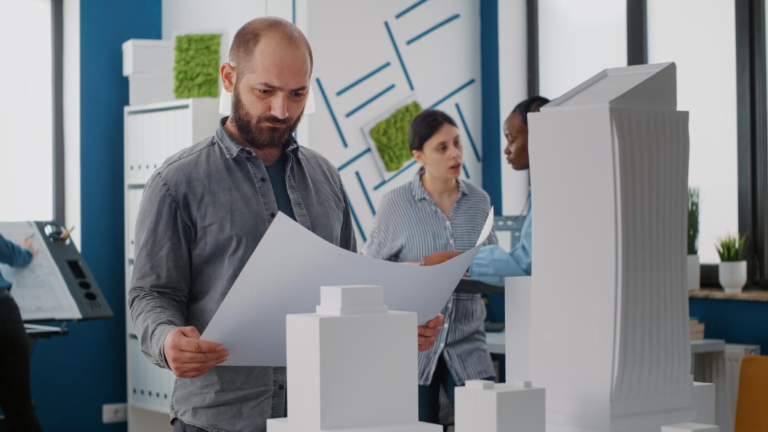
The complexity of a commercial renovation necessitates a disciplined and organized approach. Utilizing professional construction management in it ensures that every phase of the transformation remains on schedule and within the established budget.
A dedicated team focused on construction management coordinates between architects and subcontractors to mitigate risks and resolve logistical challenges before they disrupt the workflow.
This oversight is crucial for maintaining the structural safety of the building while implementing modern design changes. With expert management, the transition from an outdated facility to a contemporary office is executed with minimal friction and maximum quality.
2. Elevating Common Areas with Premium Countertops
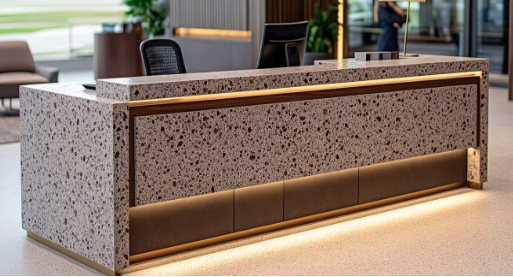
The breakout areas and office kitchens are the heart of social interaction within a professional building. Installing durable and stylish countertops in it can significantly elevate the feel of these communal spaces.
Materials like quartz or polished stone not only offer a sophisticated look but also provide the resilience needed for high-traffic environments.
By choosing high-quality countertops, you create a sense of luxury and permanence that reflects the brand’s commitment to excellence. These small but impactful details contribute to a more welcoming atmosphere, encouraging employees to recharge and collaborate in a comfortable setting.
3. Optimizing for Natural Light and Transparency
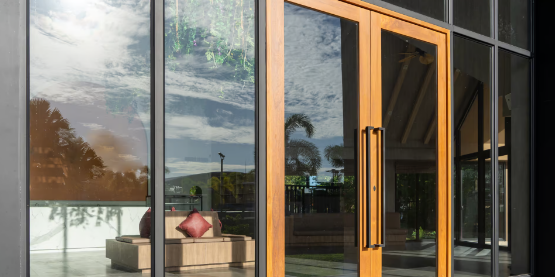
A bright and airy environment has a direct correlation with employee morale and focus. Replacing solid partitions with glass walls allows natural light to flow through the entire floor plan, reducing the reliance on artificial lighting. This transparency creates a sense of openness and connectivity between different departments.
Furthermore, maximizing window views of the surrounding landscape can help reduce stress and improve cognitive function. A workspace that prioritizes light and visibility feels more modern and energetic, making it a place where people genuinely want to spend their working hours.
4. Integrating Advanced Smart Building Technology
A truly transformed office must be as intelligent as the people working within it. Implementing automated climate control, smart lighting sensors, and touchless entry systems improves both efficiency and safety.
These technologies allow for real-time monitoring of energy usage, helping the company meet its sustainability goals. Additionally, integrating high-speed wireless connectivity and seamless video conferencing hardware throughout the building supports the needs of a modern, mobile workforce.
Future-proofing the facility with these digital tools ensures that the office remains functional and relevant in an increasingly tech-driven world.
5. Fostering Collaboration with Flexible Layouts
The era of rigid cubicles is fading in favor of versatile and adaptable workspaces. Creating a mix of quiet zones for deep focus and open areas for brainstorming allows employees to choose the environment that best suits their current task.
Modular furniture that can be easily rearranged provides the flexibility needed for team-based projects or large gatherings.
By designing for movement and variety, you break down the silos of traditional office life. A flexible layout encourages spontaneous interactions and ensures that the physical space can evolve as the company’s operational needs change.